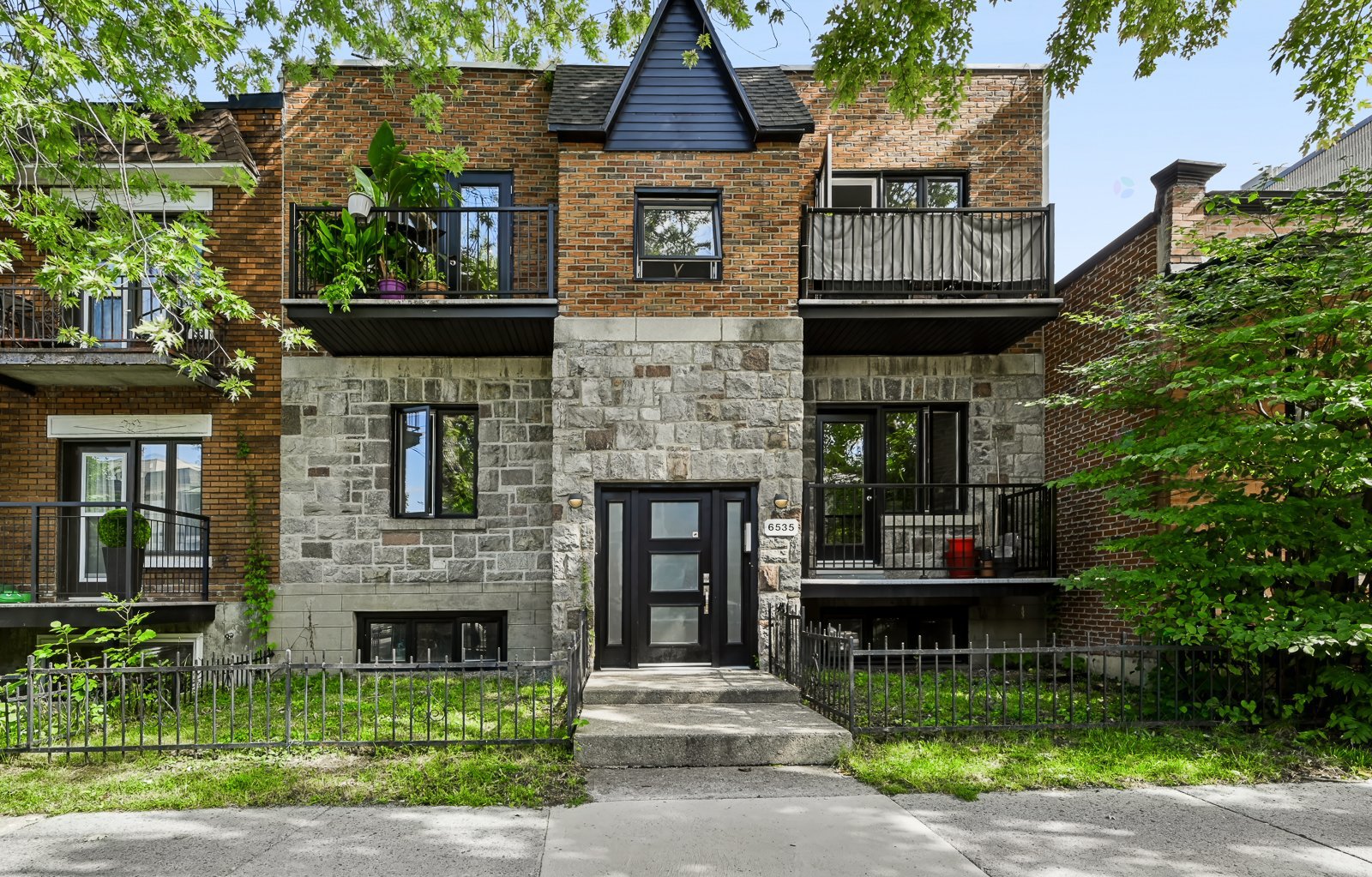
Down Payment in Quebec: How Much Should You Put Down?
Calculate the down payment needed to buy a property in Quebec and compare different scenarios based on your available funds, property type and sources of down payment.
Down Payment in Quebec: How Much Should You Put Down?
5%, 10%, 15%, 20% or more? The minimum down payment tells you how much you need at a minimum to buy a property. It does not necessarily tell you how much you should actually put down based on your purchase, available cash and plans after closing.
A larger down payment generally reduces the amount you need to finance and your mortgage payment. But every additional dollar used for the down payment is also one less dollar available after the purchase.
Down Payment Calculator: Compare Your Options
Enter the details of your purchase to compare several down payment scenarios and see their estimated effect on your mortgage, monthly payment and remaining cash.
%
Where will your down payment come from? (optional)
What Is the Minimum Down Payment in Quebec?
For an owner-occupied property with 1 or 2 units, the minimum down payment generally starts at 5% of the first $500,000 of the lending value, plus 10% of the portion above $500,000.
For an owner-occupied property with 3 or 4 units, the minimum down payment is generally 10% under eligible insured programs.
For a small non-owner-occupied rental property with 2 to 4 units, a minimum 20% equity requirement can apply depending on the program and lender criteria.
The amount you choose to put down can also depend on your desired payment, available cash, other debts, purchase costs and your plans after closing.
Example: $600,000 property
For an eligible owner-occupied house or duplex, the minimum down payment would be $35,000: $25,000 on the first $500,000 plus $10,000 on the remaining $100,000.
5%, 10%, 15% or 20%: What Changes?
As the down payment increases, the amount of the mortgage decreases. When owner-occupied financing is above 80% of the lending value, mortgage default insurance is generally required.
| Loan-to-value ratio | Standard CMHC premium |
|---|---|
| 90.01% to 95% | 4.00% |
| 85.01% to 90% | 3.10% |
| 80.01% to 85% | 2.80% |
| 80% or less | High-ratio mortgage insurance not mandatory |
In Quebec, the mortgage insurance premium is currently subject to a 9% tax on insurance premiums. The calculator uses this current rate to estimate the amount to be paid.
Is It Always Better to Put 20% Down?
No. A 20% down payment can substantially reduce the mortgage and monthly payment, and it generally eliminates the need for high-ratio mortgage insurance in a conventional transaction. But it also ties up more of your available cash in the property.
Putting more down
- reduces the amount borrowed;
- generally lowers the monthly payment;
- can reduce or eliminate the mortgage insurance premium;
- creates more equity from the start.
Keeping more cash available
- leaves a reserve after closing;
- can reduce the need to borrow later for unexpected expenses;
- leaves funds available for renovations or other costs;
- can preserve capital for other financial goals.
How Much Cash Should You Keep After Buying?
The down payment is not the only money you may need. You should also account for transaction costs and expenses that can follow the purchase, such as the notary, inspection, land transfer duties, tax adjustments, moving, renovations and other costs that may apply to your situation.
That is why the calculator asks not only how much money you have, but also how much you want to keep after the purchase.
Where Can Your Down Payment Come From?
Your down payment does not necessarily have to come from one account. Depending on the program and lender, multiple sources can sometimes be combined.
| Source | How it may contribute |
|---|---|
| Personal savings / TFSA | Funds accumulated and available for the transaction. |
| FHSA | Savings intended for an eligible first home purchase. |
| HBP / RRSP | An eligible RRSP withdrawal under the Home Buyers’ Plan. |
| Family gift | A non-repayable gift when accepted under the applicable program. |
| Gift of equity | Part of the property value transferred in certain eligible transactions may be recognized as down payment. |
| Sale of another property | Net equity released from the sale can be used toward the next purchase. |
| Equity / refinance | Funds released from another property you already own, subject to qualification. |
| Business or foreign funds | May be considered in some files with appropriate documentation. |
| Vendor take-back financing | The seller finances part of the purchase price. This is debt, not a gift. |
FHSA, HBP and TFSA: Can They Be Combined?
FHSA
For an eligible buyer, the First Home Savings Account can be used to save toward an eligible first home. Participation room generally starts at $8,000 in the year the first FHSA is opened, with a $40,000 lifetime contribution limit.
Home Buyers’ Plan / RRSP
The Home Buyers’ Plan currently allows an eligible person to withdraw up to $60,000 from their RRSPs for the purchase or construction of an eligible home.
Combining several sources
In many files, the HBP, FHSA, TFSA and personal savings can be used together when the applicable conditions are met. The source of each amount must still be properly documented.
Can a Family Gift Be Used for the Down Payment?
A non-repayable gift from a family member may be eligible in certain programs. The lender may require a gift letter or declaration, confirmation of the relationship between the donor and recipient, and additional documentation depending on the file.
Gift of Equity: Can It Be Used as a Down Payment in Quebec?
A gift of equity is different from a cash gift. In certain eligible transactions, part of a property’s value can be given to the buyer and recognized as a source of down payment, subject to the lender’s criteria.
Simple example
If a property has a recognized value of $500,000 and is sold in an eligible transaction for $450,000, the $50,000 difference could, depending on the structure accepted by the lender, potentially be recognized in whole or in part as a gift of equity.
This does not mean that every difference between a property value and sale price automatically becomes a down payment. The lender must accept the structure and may require an appraisal, a gift declaration, confirmation of the relationship between the parties and other supporting documents.
Gift of equity, cash gift or vendor take-back?
| Cash gift | Gift of equity | Vendor take-back | |
|---|---|---|---|
| Must it be repaid? | No | No | Yes |
| Cash transferred? | Yes | Not necessarily | Not necessarily |
| Is it debt? | No | No | Yes |
Using Equity From a Property You Already Own
You are selling your current property
Net equity from the sale can be used toward the down payment on another property. The amount actually available should account for repayment of debts secured by the property and applicable selling costs.
You are keeping your current property
A refinance or other financing secured by the property may sometimes release funds for a new down payment. This increases your debt, however, and the new payment must be considered in qualification.
Down Payment for a Duplex, Triplex or Fourplex
The required down payment depends in part on the number of units and whether you will occupy the property. An owner-occupied duplex can generally fall under the rules for 1- or 2-unit owner-occupied properties. An eligible owner-occupied triplex or fourplex generally requires a minimum 10% down payment under insured financing.
For a fully rental property, the down payment requirements and acceptable sources can be different. The lender and program therefore need to be selected according to the property and the borrower’s file.
Investment Property Down Payment: Is 20% Always Ideal?
Not necessarily. Putting in more capital can reduce the mortgage payment and improve property cash flow, but it also ties up more capital in one property.
For an investor, the comparison should therefore consider not only the mortgage payment, but also available reserves, cash flow, planned repairs, qualification and future acquisition plans.
Why Does the Source of Your Down Payment Matter?
The lender generally needs to be able to trace the source of the funds. Depending on the source, bank statements, investment statements, withdrawal records, gift documents, sale documents or transfer records may be required.
Before moving large amounts between accounts, receiving a gift or refinancing another property, it can therefore be useful to know how those funds will need to be documented.
Frequently Asked Questions About Down Payments in Quebec
What is the minimum down payment for a home in Quebec?
For an eligible owner-occupied property with 1 or 2 units, the minimum generally starts at 5% of the first $500,000 plus 10% of the portion above $500,000.
Is it better to put 5% or 20% down?
There is no universal answer. A larger down payment reduces the financing required, while a smaller down payment may allow you to keep more cash available. Both effects should be compared.
Can I use both the FHSA and the Home Buyers’ Plan for the same purchase?
Yes, when the eligibility requirements of both programs are met.
What is a gift of equity?
It is a structure in which part of a property’s value is given to the buyer in an eligible transaction and may be recognized as a source of down payment according to the lender’s criteria.
Can I use equity from my home to buy another property?
In some cases, yes. Funds can come from the net proceeds of a sale or from refinancing a property you already own. When refinancing, the additional debt must be considered in qualification.
Content prepared by Thelma Pareras Varela, mortgage broker in Quebec.
This page provides general information. Down payment requirements, programs, mortgage insurance premiums and lender criteria can vary depending on the lender, insurer, property type and borrower’s circumstances.
Not Sure How Much You Should Put Down?
I can compare the down payment amount, its source, the estimated mortgage payment and the cash you want to keep after closing to see how the different scenarios fit your purchase.