
Buying a condo, townhouse, or other shared-ownership property can be a great option for many buyers, but it also comes with details that should be reviewed carefully before signing.
Unlike a detached home, a condo purchase involves more than the unit itself. You also need to understand the building, the condo corporation or syndicate, the reserve fund, monthly fees, insurance, bylaws, and any future repairs or special assessments that could affect your budget.
Before You Sign: The Condo Buying Checklist
Before buying a condo, it is important to know what you are really purchasing. The monthly mortgage payment is only one part of the decision. Condo fees, building condition, insurance coverage, reserve funds, and future repairs can all affect affordability.
This is especially important for first-time buyers who may be focused mainly on the purchase price and mortgage rate. A lower purchase price does not always mean a lower total monthly cost if condo fees are high or if the building has future financial risks.

New Condo or Resale Condo?
There are important differences between buying a new condo and buying a resale condo.
With a new condo, buyers should ask about warranties, appliance coverage, the proposed budget, future construction in the area, expected condo fees, and any applicable tax considerations.
With a resale condo, the focus should be on the building’s history and financial condition. This may include reviewing the reserve fund, meeting minutes, insurance documents, previous repairs, and any planned replacements or improvements.
Documents to Review Before Buying a Condo
Before making a final decision, buyers should request and review important documents related to the condo corporation or building. These documents can help reveal whether the building is well managed and financially healthy.
Important documents may include:
- Condo bylaws or declaration of co-ownership
- Registered condo plan
- Recent financial statements
- Budget
- Condo fee chart
- Minutes from annual general meetings and board meetings
- Insurance certificate
- Reserve fund study or report
- Information about structural issues or deficiencies
- Legal actions, disputes, or judgments
- Management contracts
- Deficiency summary for new construction
These documents are not just paperwork. They can affect your mortgage approval, future costs, and long-term comfort as an owner.
Why Professional Review Matters
Once you receive the documents, it is important to have them reviewed by qualified professionals. A realtor, lawyer, notary, condo document review specialist, or other experienced professional may help identify potential risks.
Some of the biggest items to watch for include:
- Pending lawsuits or legal disputes
- Insufficient reserve funds
- Upcoming special assessments
- Building maintenance issues
- Insurance coverage gaps
- Bylaws affecting pets, rentals, noise, balconies, or renovations
- Condo fees that may increase significantly
From a mortgage perspective, these details matter because they can affect your total monthly cost, your ability to qualify, and the overall risk of the property.
Do Not Skip the Inspection
A physical inspection is still important when buying a condo. Buyers should look beyond the unit itself and pay attention to common areas, hallways, stairways, elevators, parking, storage areas, garbage and recycling areas, amenities, exterior maintenance, and the general condition of the building.
Amenities can be attractive, but they also cost money to maintain. Pools, elevators, gyms, and other shared facilities may increase monthly fees or future repair costs.
How a Condo Purchase Can Affect Your Mortgage
When you apply for a mortgage, lenders do not look only at the purchase price. They also consider your income, debts, credit, down payment, property type, condo fees, and other monthly obligations.
Higher condo fees can reduce your borrowing power because they are included in the qualification calculation. This is why it is important to understand the full monthly cost before making an offer.
If you are buying a condo, a mortgage pre-approval can help you understand how the property price, condo fees, taxes, heating costs, and other debts affect your real budget.
Economic Insights from Dr. Sherry Cooper
The following market commentary is based on economic insights from Dr. Sherry Cooper, Chief Economist at Dominion Lending Centres.
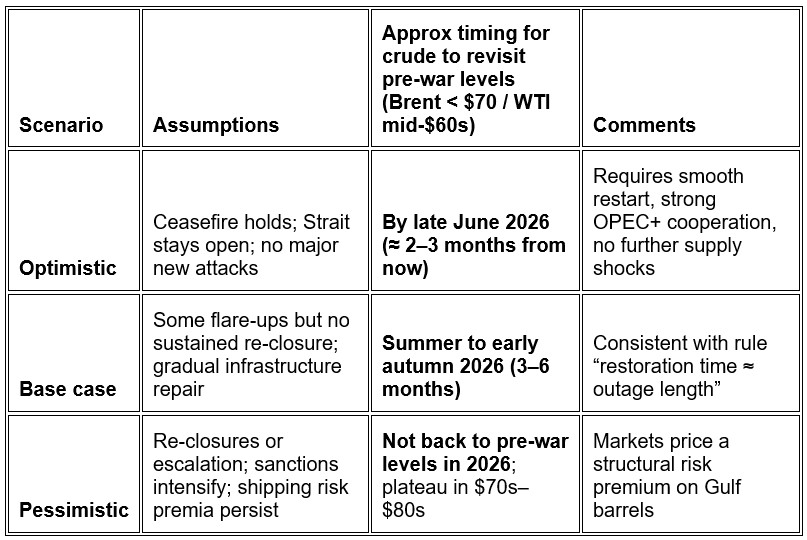
Oil Prices, Inflation, and Mortgage Rates
Dr. Sherry Cooper’s May commentary discussed how global energy market uncertainty can affect inflation expectations, bond yields, and borrowing costs.
For mortgage borrowers, this matters because fixed mortgage rates are often influenced by bond market movements. When inflation concerns rise or bond yields move higher, fixed mortgage rates can also face upward pressure.
Even when the Bank of Canada holds its policy rate steady, market-determined borrowing costs can still move. This is why mortgage rates can change even without a Bank of Canada rate announcement.
What This Means for Homeowners
For homeowners renewing or refinancing, higher borrowing costs can create payment pressure. Many Canadians who took lower-rate mortgages in previous years are now facing higher payments at renewal.
If your mortgage is coming up for renewal, it is important not to wait until the last minute. Reviewing your options early may help you compare lenders, understand payment changes, and decide whether to adjust your mortgage strategy.
You may want to compare:
- Fixed and variable mortgage options
- Payment flexibility
- Prepayment privileges
- Penalty conditions
- Debt consolidation or refinancing options
- Whether your current lender’s offer is competitive
Bottom Line
Buying a condo can be a smart move, but it requires careful review. The building documents, reserve fund, condo fees, insurance, bylaws, and future repairs can all affect your financial decision.
At the same time, broader economic conditions continue to influence mortgage rates and borrowing costs. For buyers, homeowners, and renewal clients, preparation is key.
Whether you are buying a condo, renewing your mortgage, or refinancing, it is important to understand the full picture — not only the rate.
Thinking about buying a condo, renewing, or refinancing?
I can help you review your mortgage options and understand what strategy may fit your situation.
Buying a Condo, Renewing, or Refinancing?
I can help you review your mortgage options, understand your numbers, and prepare before making a decision.
Economic outlook reference: Dr. Sherry Cooper, Chief Economist at Dominion Lending Centres. This article is for general information only and should not be considered financial advice. Mortgage approval, prepayment privileges, renewal options, and refinancing conditions depend on the lender, mortgage product, income, credit, debts, property type, documents, and market conditions.